How to Care for an Orchid: A Complete Guide for Healthy and Beautiful Blooms
Introduction
Orchids are among the most exquisite and popular houseplants, known for their stunning blooms and graceful elegance. While their exotic appearance may seem intimidating, orchids are surprisingly easy to care for with the right knowledge. Whether you’re a beginner or an experienced plant enthusiast, understanding how to care for an orchid ensures long-lasting health and vibrant flowers.
Keter Manor Outdoor Apex Double Door Garden Storage Shed (6 x 8ft)
A durable and stylish beige and brown garden storage shed perfect for storing garden tools, equipment, bikes, and outdoor essentials. Weather-resistant, low maintenance, and ideal for any garden or allotment setup.
🌱 Compost & Soil Improvers
Give your garden beds a boost before winter with compost and organic matter.
Shop Compost & Soil Improvers
🌿 Autumn Plant Feed & Fertiliser
Prepare your soil for autumn planting with suitable fertilisers and soil nutrients.
Browse Garden Fertilisers
🥬 Seed Trays & Propagation Kits
Keep growing through autumn by starting suitable hardy crops under cover.
Shop Seed Trays
This guide provides practical tips and detailed steps for orchid care, including watering, light, temperature, and more.
Allotment and Kitchen Garden Book
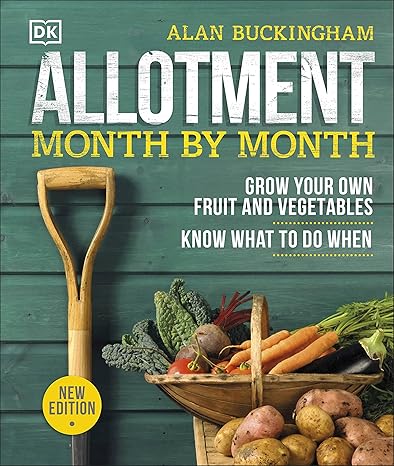
Are you starting an allotment or planning on growing your own fruit, vegetables, herbs, and flowers in a kitchen garden? If so we highly recommend the book Allotment Month By Month. This does exactly what it does on the cover to help you with what you should be doing in the allotment and kitchen garden each month. Below you can see the link for Amazon where you can purchase the book directly. This book is extremely popular with all allotment holders as you will read in the reviews:-
You can check out all the allotment and kitchen garden books we recommend here.
Understanding Orchids
1. Popular Orchid Types
- Phalaenopsis (Moth Orchid): The most common and beginner-friendly orchid.
- Cattleya: Known for its large, fragrant blooms.
- Dendrobium: Popular for its variety and long-lasting flowers.
- Vanda: Requires high humidity and bright light, often grown in baskets.
2. Growth Habit
- Orchids are typically epiphytic, meaning they grow on trees in their natural environment. This influences their care needs, such as well-draining media and exposure to air.
Essential Orchid Care Tips
1. Light
- Bright, Indirect Light: Most orchids thrive in bright, indirect light.
- Signs of Light Issues:
- Too Little Light: Dark green leaves.
- Too Much Light: Yellow or scorched leaves.
- Best Location: East- or west-facing windows are ideal. If using a south-facing window, filter the light with a sheer curtain.
2. Watering
- Frequency: Water orchids every 7-10 days, allowing the growing medium to dry slightly between waterings.
- Method: Use the soak-and-drain method to thoroughly hydrate the roots without waterlogging.
- Avoid Overwatering: Overwatering is the leading cause of root rot. Ensure the pot has drainage holes.
3. Humidity
- Orchids prefer 50-70% humidity.
- Increase humidity by:
- Using a pebble tray.
- Misting the plant (avoid water pooling on leaves).
- Placing the orchid near a humidifier.
4. Temperature
- Daytime: 65-80°F (18-27°C).
- Nighttime: 55-65°F (13-18°C).
- Maintain a slight drop in nighttime temperature to encourage blooming.
5. Fertilizing
- Use a balanced orchid fertilizer (20-20-20) at half strength every 2-4 weeks during active growth.
- Reduce fertilization during the dormant phase (fall and winter).
6. Potting Medium
- Orchids require a well-draining medium like bark, sphagnum moss, or a mix of both.
- Repot every 1-2 years to refresh the growing medium and prevent root rot.
How to Keep Orchids Blooming
1. Provide Adequate Light
- Light is the most critical factor for blooming. Ensure your orchid gets enough bright, indirect light.
2. Maintain the Right Temperature
- Orchids often bloom after experiencing a slight drop in temperature, mimicking their natural environment.
3. Fertilize Regularly
- Fertilize with a bloom-boosting formula (higher phosphorus content) during the growing season.
4. Rest Period
- Allow the orchid to rest after flowering by reducing watering and fertilizer.
Common Orchid Care Problems and Solutions
1. Overwatering
- Symptoms: Mushy roots, yellowing leaves, and a foul smell.
- Solution: Trim damaged roots and repot in fresh, dry orchid mix.
2. Underwatering
- Symptoms: Wrinkled roots or pseudobulbs and limp leaves.
- Solution: Water more frequently and thoroughly hydrate the roots.
3. Lack of Blooms
- Causes: Insufficient light, irregular watering, or lack of nutrients.
- Solution: Increase light exposure, fertilize, and ensure the plant is healthy.
4. Pests
- Common Pests: Spider mites, scale, and mealybugs.
- Solution: Treat with neem oil or insecticidal soap and isolate the affected plant.
5. Yellowing Leaves
- Causes: Overwatering, too much light, or natural leaf aging.
- Solution: Adjust care as needed and remove old, yellow leaves.
Orchid Care by Type
1. Phalaenopsis Orchids
- Water every 7-10 days and keep in medium to bright indirect light.
- Suitable for beginners due to their forgiving nature.
2. Dendrobium Orchids
- Let the medium dry out slightly between waterings.
- Reduce watering during the dormant period in winter.
3. Cattleya Orchids
- Require bright light and less frequent watering.
- Known for their showy, fragrant blooms.
4. Vanda Orchids
- Need high humidity and frequent misting or soaking.
- Best for experienced orchid growers.
Common Questions About Orchid Care
1. How often should I water my orchid?
Water every 7-10 days, allowing the medium to dry slightly between waterings.
2. Can I use regular potting soil for orchids?
No, orchids need a well-draining medium like bark or moss to mimic their natural environment.
3. How do I get my orchid to bloom again?
Provide bright, indirect light, maintain proper temperatures, and fertilize regularly.
4. Should I cut off old flower spikes?
Trim flower spikes after they turn brown. For Phalaenopsis orchids, you can leave green spikes to encourage new blooms.
5. Can orchids grow in low light?
Some orchids tolerate low light, but most require bright, indirect light to thrive.
6. How do I know if my orchid needs repotting?
Repot when the roots outgrow the pot, or if the potting medium breaks down.
7. Are orchids toxic to pets?
Most orchids, including Phalaenopsis, are non-toxic to pets.
8. Should I mist my orchid?
Misting can increase humidity but doesn’t replace watering. Avoid misting the leaves directly to prevent fungal issues.
9. Why are my orchid’s roots turning brown?
This is likely due to overwatering. Trim affected roots and repot in fresh medium.
10. Can I grow orchids outdoors?
Yes, in warm climates with filtered light and protection from frost.
Conclusion
Caring for orchids is simpler than it seems once you understand their basic needs. By providing the right light, watering schedule, humidity, and temperature, you can enjoy their stunning blooms year after year. Whether you’re growing Phalaenopsis, Dendrobium, or another variety, following these care tips will ensure your orchid thrives.
Gardening With Ben Podcasts
If you love podcasts and are passionate about gardening, why not tune in to Gardening with Ben’s Allotment Podcasts? Packed with tips, inspiration, and plenty of down-to-earth advice, Ben’s podcasts are perfect for anyone looking to get the most out of their garden or allotment.
Whether you’re a seasoned gardener or just starting out, Gardening with Ben covers a wide range of topics to keep you informed and motivated. From seasonal planting guides and pest control tips to creating a wildlife-friendly space, there’s something for everyone. Each episode is filled with Ben’s friendly, relatable charm, making it feel like you’re chatting with a gardening buddy.
Don’t miss out on the latest episode below, where Ben shares his insights on what to plant this month, how to prepare your soil, and creative ways to make the most of the colder seasons. It’s the perfect companion for your next cup of tea or a relaxing moment in your gardening shed.
You can also listen to Gardening with Ben’s podcasts on your favorite platforms, including Spotify, Apple Podcasts, and Amazon Music. Prefer hands-free? Simply ask Alexa, “Play Gardening with Ben,” and you’ll be ready to dig into the latest episode.
So, if you’re looking for gardening inspiration, practical advice, or just a bit of friendly encouragement to get your hands dirty, tune in to Gardening with Ben’s Allotment Podcasts. It’s your perfect gardening companion, wherever you are! ??