Keter Manor Outdoor Apex Double Door Garden Storage Shed (6 x 8ft)
A durable and stylish beige and brown garden storage shed perfect for storing garden tools, equipment, bikes, and outdoor essentials. Weather-resistant, low maintenance, and ideal for any garden or allotment setup.
🌱 Compost & Soil Improvers
Give your garden beds a boost before winter with compost and organic matter.
Shop Compost & Soil Improvers
🌿 Autumn Plant Feed & Fertiliser
Prepare your soil for autumn planting with suitable fertilisers and soil nutrients.
Browse Garden Fertilisers
🥬 Seed Trays & Propagation Kits
Keep growing through autumn by starting suitable hardy crops under cover.
Shop Seed Trays
/wp:separator wp:heading {“level”:3}
Embracing Winter Jasmine in the UK: A Complete Guide
/wp:heading wp:paragraphIntroduction
In the UK’s often chilly and damp winters, a garden can appear barren and lifeless. Many flowering plants slumber through the colder months, leaving landscapes dominated by muted greens and browns. Yet, amid the gloom, one shrub stands apart: winter jasmine (Jasminum nudiflorum). Its bright yellow flowers provide a welcome burst of colour and optimism during the darkest days of the British winter. From city balconies to rural cottage gardens, winter jasmine can flourish in different UK regions, bridging the gap between autumn’s end and spring’s awakening.
This guide explores why winter jasmine is a beloved addition to UK gardens. You’ll learn about its botanical traits, ideal growing conditions suited to the UK climate, planting and care tips, ways to incorporate it into different garden styles, and how to ensure it remains healthy for years to come. By the end, you’ll have a thorough understanding of how to bring the uplifting sight of winter jasmine into your outdoor space, even when frost lingers and skies remain grey.
/wp:paragraph wp:paragraph /wp:paragraph wp:separator {“opacity”:”css”,”className”:”is-style-wide”,”backgroundColor”:”vivid-red”}/wp:separator wp:heading
Allotment and Kitchen Garden Book
/wp:heading wp:image {“lightbox”:{“enabled”:false},”id”:50859,”sizeSlug”:”full”,”linkDestination”:”custom”}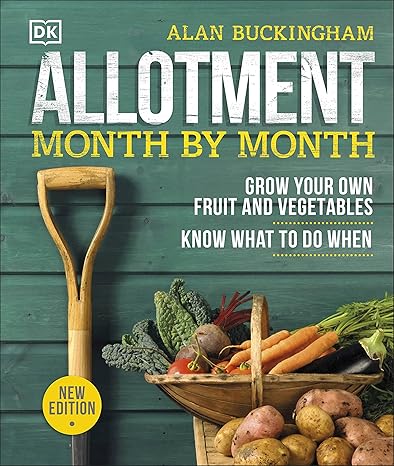
Are you starting an allotment or planning on growing your own fruit, vegetables, herbs, and flowers in a kitchen garden? If so we highly recommend the book Allotment Month By Month. This does exactly what it does on the cover to help you with what you should be doing in the allotment and kitchen garden each month. Below you can see the link for Amazon where you can purchase the book directly. This book is extremely popular with all allotment holders as you will read in the reviews:-
/wp:paragraph wp:buttons /wp:buttons wp:paragraphYou can check out all the allotment and kitchen garden books we recommend here.
/wp:paragraph wp:separator {“opacity”:”css”,”className”:”is-style-wide”,”backgroundColor”:”vivid-red”}/wp:separator wp:separator
/wp:separator wp:heading {“level”:3}
Understanding Winter Jasmine in a British Context
/wp:heading wp:paragraphBotanical Profile:
Winter jasmine is a deciduous shrub native to China, but it has adapted well to the UK’s temperate climate. Stems are green and arching, and the shrub typically grows about 1.2 metres tall and can spread up to 2 metres if allowed. Bright, yellow, scentless flowers emerge in late winter or very early spring—often from January onwards, depending on local weather conditions.
Why Is It Special in the UK?
In the UK, winters are known for short daylight hours, frequent rain, and sometimes snow. The cheerful yellow blooms of winter jasmine stand out against a bare landscape, offering a reassuring sign that warmer, brighter days are on their way. This plant’s ability to handle cool, damp conditions and still produce vivid blooms makes it an invaluable asset for British gardeners eager to cultivate year-round interest in their outdoor spaces.
/wp:separator wp:heading {“level”:3}
Ideal Conditions for Growing Winter Jasmine in the UK
/wp:heading wp:paragraphClimate and Hardiness:
Winter jasmine is hardy across most of the UK, tolerating temperatures down to around -10°C. Even during cold snaps, the plant’s blooms persist, though extreme conditions or prolonged freezes may shorten their display.
Light Conditions:
While winter jasmine can grow in partial shade, placing it in full sun to light shade encourages more abundant flowers. In the UK’s often overcast winters, a spot receiving a few hours of sunlight (even if filtered) helps ensure a strong floral show.
Soil Requirements:
Most UK gardens have decent, moisture-retentive soil—a boon for winter jasmine. The plant prefers well-draining soil enriched with organic matter. If your garden soil is heavy clay, work in compost or well-rotted leaf mould to improve drainage.
Shelter and Wind Protection:
Although hardy, providing a sheltered site helps protect the plant from harsh winds that may damage delicate blooms. Planting near a south- or west-facing wall can shield the shrub and maximise sunlight exposure.
/wp:separator wp:heading {“level”:3}
Planting and Establishment
/wp:heading wp:paragraphWhen to Plant:
Autumn or early spring is ideal for planting winter jasmine. In the UK, autumn planting allows roots to establish in moisture-rich, cooler soil before the onset of harsh winter weather. Spring planting, once the threat of hard frost diminishes, also works well, giving the plant a head start before the next winter’s bloom.
How to Plant:
/wp:paragraph wp:list {“ordered”:true}- Soil Preparation:
Clear weeds and loosen soil to a depth of about 30 cm. Incorporate compost or well-rotted organic matter to enhance fertility and drainage. - Depth and Positioning:
Dig a hole as deep as the root ball and twice as wide. Set the plant so that the top of the root ball is level with the soil surface. Backfill gently, firming in the soil as you go. - Initial Watering and Mulching:
Water thoroughly after planting to help the soil settle. Add mulch around the base to conserve moisture and suppress weeds, ensuring mulch does not touch the stems directly.
/wp:separator wp:heading {“level”:3}
Caring for Winter Jasmine in UK Gardens
/wp:heading wp:paragraphWatering:
Once established, winter jasmine is relatively drought-tolerant. However, in the UK’s variable climate, periodic watering during prolonged dry spells—uncommon in winter, but possible in summer—helps maintain healthy growth. Regular rainfall often suffices for mature plants.
Feeding:
A balanced, slow-release fertiliser applied in early spring supports robust growth and blooming. Over-fertilising is unnecessary; moderation helps maintain the plant’s natural growth pattern.
Mulching:
Annual mulching with organic matter improves soil structure, retains moisture, and keeps roots insulated. Late autumn or early spring application is most beneficial.
/wp:separator wp:heading {“level”:3}
Pruning and Training
/wp:heading wp:paragraphWhen to Prune:
The best time to prune winter jasmine is immediately after flowering. In the UK, this often means late spring. Pruning too late risks removing the next season’s flower buds.
How to Prune:
Remove older, woody stems to encourage vigorous new shoots. Trim back excessively long branches to keep the plant neat and manageable. If training it against a wall or fence, tie new stems to supports, spacing them evenly and cutting away those that stray from the desired shape.
Training Over Structures:
Winter jasmine does not climb on its own like true vines. Instead, use ties or garden twine to gently secure stems to trellises, arches, or obelisks. The result can be a living tapestry of green stems and yellow blooms against an architectural backdrop.
/wp:separator wp:heading {“level”:3}
Overcoming Common Challenges in the UK
/wp:heading wp:paragraphPests and Diseases:
Winter jasmine generally faces few serious pest or disease issues in the UK’s climate. Occasional aphids or spider mites may appear, especially in warmer months. For mild infestations, remove affected stems or use insecticidal soap or horticultural oils. Good air circulation and avoidance of waterlogged soil help prevent fungal problems.
Late Hard Frosts:
In some years, late frosts may damage blossoms. While you cannot control the weather, choosing a sheltered spot or covering the plant with horticultural fleece during unexpected cold snaps can help protect blooms.
Excessive Shade:
Planting in overly shady areas can reduce flowering. If your winter jasmine rarely blooms, consider pruning surrounding foliage to allow more light or relocating the plant to a brighter spot during the dormant season.
/wp:separator wp:heading {“level”:3}
Landscape Uses and Design Ideas
/wp:heading wp:paragraphWalls and Fences:
One of winter jasmine’s most popular uses in UK gardens is letting it cascade over walls or fences. This softens the hard lines of built structures, adding a natural, flowing element that enlivens even the drabbest corners.
Slopes and Banks:
On sloping ground, winter jasmine’s arching branches can help stabilise soil and add greenery to otherwise challenging terrain. The plant’s sprawling habit and early-season flowers bring visual interest where it might be scarce.
Mixed Winter Borders:
Combine winter jasmine with other winter highlights: hellebores, witch hazel, snowdrops, and evergreen shrubs. This approach creates a tapestry of shapes, colours, and textures that ensures your garden remains alive with interest during the off-season.
Containers on Patios or Balconies:
City dwellers can enjoy winter jasmine too. A large container with well-draining compost and proper drainage holes allows the plant to thrive in urban settings. Placed near a patio door or balcony rail, the cheerful yellow blossoms become a daily reminder that spring is on its way.
/wp:separator wp:heading {“level”:3}
Cultural and Seasonal Significance
/wp:heading wp:paragraphWhile not as heavy in folklore as some other species, winter jasmine’s ability to flower in cold conditions lends it a subtle symbolic weight in UK gardens:
/wp:paragraph wp:paragraphHarbinger of Spring:
Its bright blooms emerging against leafless stems symbolize resilience, endurance, and the quiet promise that even in the darkest seasons, new life is stirring beneath the surface.
Companion to Traditional UK Gardens:
In British cottage gardens, winter jasmine provides a link between the old and the new. It fits seamlessly with other classic plants and can lighten heavy, evergreen-dominated winter scenes by introducing a joyful color.