Keter Manor Outdoor Apex Double Door Garden Storage Shed (6 x 8ft)
A durable and stylish beige and brown garden storage shed perfect for storing garden tools, equipment, bikes, and outdoor essentials. Weather-resistant, low maintenance, and ideal for any garden or allotment setup.
🌱 Compost & Soil Improvers
Give your garden beds a boost before winter with compost and organic matter.
Shop Compost & Soil Improvers
🌿 Autumn Plant Feed & Fertiliser
Prepare your soil for autumn planting with suitable fertilisers and soil nutrients.
Browse Garden Fertilisers
🥬 Seed Trays & Propagation Kits
Keep growing through autumn by starting suitable hardy crops under cover.
Shop Seed Trays
/wp:separator wp:heading {“level”:3}
Embracing Winter Jasmine: A Complete Guide
/wp:heading wp:paragraphIntroduction
Winter jasmine (Jasminum nudiflorum) is a remarkable shrub that brings cheerful color and hope to otherwise barren winter landscapes. While most garden flowers retreat into dormancy during the coldest months, winter jasmine defies convention, producing bright yellow blooms that appear even before its leaves unfold. Originating from China and long cherished in gardens worldwide, winter jasmine adds vibrancy to late winter and early spring, bridging the gap between the bleak midseason and the fresh starts of warmer days ahead.
In this guide, we will delve into what makes winter jasmine special—its botanical characteristics, how and where to plant it, the care it needs, how to use it in landscape design, and ways to ensure it thrives year after year. You’ll also learn about the plant’s cultural significance, possible issues, and recommended solutions, along with answers to common questions asked by gardeners and nature lovers. By the end, you’ll have a thorough understanding of winter jasmine’s charm and practicality in enhancing your garden throughout the year.
/wp:paragraph wp:paragraph /wp:paragraph wp:separator {“opacity”:”css”,”className”:”is-style-wide”,”backgroundColor”:”vivid-red”}/wp:separator wp:heading
Allotment and Kitchen Garden Book
/wp:heading wp:image {“lightbox”:{“enabled”:false},”id”:50859,”sizeSlug”:”full”,”linkDestination”:”custom”}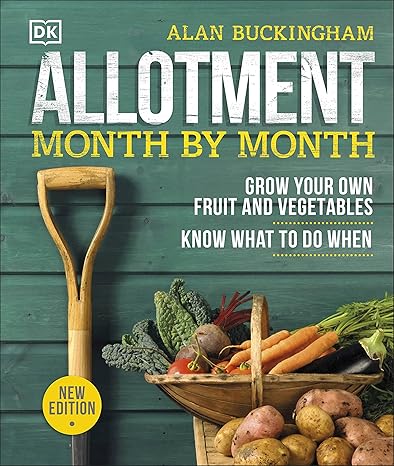
Are you starting an allotment or planning on growing your own fruit, vegetables, herbs, and flowers in a kitchen garden? If so we highly recommend the book Allotment Month By Month. This does exactly what it does on the cover to help you with what you should be doing in the allotment and kitchen garden each month. Below you can see the link for Amazon where you can purchase the book directly. This book is extremely popular with all allotment holders as you will read in the reviews:-
/wp:paragraph wp:buttons /wp:buttons wp:paragraphYou can check out all the allotment and kitchen garden books we recommend here.
/wp:paragraph wp:separator {“opacity”:”css”,”className”:”is-style-wide”,”backgroundColor”:”vivid-red”}/wp:separator wp:separator
/wp:separator wp:heading {“level”:3}
Understanding Winter Jasmine
/wp:heading wp:paragraphBotanical Background:
Winter jasmine is a deciduous shrub belonging to the olive family (Oleaceae). Unlike many jasmine species that are famed for their fragrance and summer blooms, winter jasmine is notable for its scentless but striking yellow flowers. Blooming often starts as early as late winter, sometimes when snow still lies on the ground. This timely burst of color sets it apart from many other ornamentals that remain lifeless until spring’s warmth.
Physical Characteristics:
/wp:paragraph wp:list- Size and Shape:
Winter jasmine generally reaches about 4 feet tall and can spread up to 7 feet wide if left untrained. Its arching, green stems form a loose mound or cascade gracefully over walls. - Leaves:
In spring, small, oval leaves appear in groups of three. Though the leaves are not evergreen, the plant’s green stems provide some color in leafless months. - Flowers:
The plant’s bright yellow flowers measure around 1 inch across. Emerging before the leaves, these star-like blooms create a vivid display on the plant’s bare green shoots, signaling the approaching end of winter’s dormancy.
/wp:separator wp:heading {“level”:3}
Origin and Cultural Significance
/wp:heading wp:paragraphWinter jasmine is native to China, where it grows naturally on hillsides and in open woodlands. Over time, it made its way into English, European, and North American gardens, appreciated for its tenacity in cold climates.
/wp:paragraph wp:paragraphCultural Notes:
/wp:paragraph wp:list- In parts of Asia, jasmine plants hold cultural and symbolic values related to purity, love, and renewal. While winter jasmine is less fragrant than other jasmines commonly linked to perfumery and tea, it can still represent hope and resilience during the harshest season.
- Western gardeners have embraced winter jasmine for centuries as a harbinger of spring, a plant that softens the bleak winter landscape with a promise of new life to come.
/wp:separator wp:heading {“level”:3}
Choosing the Right Site for Winter Jasmine
/wp:heading wp:paragraphBefore planting winter jasmine, consider its environmental preferences:
/wp:paragraph wp:list {“ordered”:true}- Light Conditions:
Winter jasmine tolerates various light conditions but prefers full sun to partial shade. More sunlight typically leads to fuller growth and more abundant blooms. - Soil Requirements:
Well-draining soil is essential. The plant adapts to a range of soil types, including sandy, loamy, or slightly clay-based soils. It thrives when the soil is moderately fertile and slightly moist. - Hardiness Zones:
Winter jasmine is hardy in many temperate regions, commonly grown in zones 6 to 10. In colder climates, ensure it’s planted in a sheltered spot to protect against biting winds. - Shelter and Support:
While winter jasmine can grow as a sprawling mound, it’s often trained against walls or trellises. Consider positioning it near a structure that offers support, enabling the plant’s long stems to climb or cascade attractively.
/wp:separator wp:heading {“level”:3}
Planting and Establishment
/wp:heading wp:paragraphWhen to Plant:
Spring or early autumn are ideal planting times. By planting in spring, the plant can establish roots before winter. Autumn planting, on the other hand, allows roots to develop in cooler, wetter conditions, ensuring the shrub is well-prepared for the next growing season.
How to Plant:
/wp:paragraph wp:list {“ordered”:true}- Preparation:
Clear the area of weeds, loosen the soil, and incorporate compost or well-rotted organic matter to improve soil structure and fertility. - Depth and Spacing:
Dig a hole as deep as the root ball and twice as wide. Position the plant so that the top of the root ball sits at soil level. Backfill gently, firming the soil around the roots to eliminate air pockets. Space multiple plants about 4 to 6 feet apart to accommodate their spreading habit. - Initial Watering:
Water thoroughly after planting, ensuring moisture reaches the root zone. Mulch with organic material around the base (but not touching the stems) to conserve moisture and suppress weeds.
/wp:separator wp:heading {“level”:3}
Ongoing Care and Maintenance
/wp:heading wp:paragraphWatering:
Once established, winter jasmine is relatively drought-tolerant. Water during prolonged dry spells, especially in the first two years. Aim for consistency rather than frequent, shallow watering—deep infrequent watering encourages more robust root systems.
Fertilizing:
A balanced, slow-release fertilizer in early spring supports healthy growth. Avoid over-fertilizing, as this may lead to lush leaves but fewer flowers.
Pruning and Training:
/wp:paragraph wp:list {“ordered”:true}- Timing:
Prune immediately after flowering. Doing so allows the plant to produce new growth that will carry next year’s blooms. - Technique:
Remove older, woody stems to promote vigor. Trim back long, arching branches if you prefer a neat shape. For a cascading effect over a wall, minimal pruning may be needed—just tidy up as necessary. - Training on Supports:
If grown against a fence or trellis, gently tie stems to the support to guide their direction. Over time, you can create a living tapestry of green stems and yellow blooms against a chosen backdrop.
/wp:separator wp:heading {“level”:3}
Pests and Diseases
/wp:heading wp:paragraphWinter jasmine is generally resistant to many common plant problems:
/wp:paragraph wp:list {“ordered”:true}- Pests:
Aphids, spider mites, or scale insects may occasionally appear. Remove affected stems or treat with insecticidal soaps or horticultural oils if infestations become severe. - Diseases:
Root rot can occur in poorly drained soils. Ensure proper drainage and avoid waterlogging. Powdery mildew may appear in humid conditions, but good air circulation and proper watering practices usually prevent severe issues. - Preventive Measures:
Keep the plant healthy with adequate sunlight, avoid crowding plants too closely together, and ensure soil isn’t overly damp. Healthy plants are less susceptible to problems.
/wp:separator wp:heading {“level”:3}
Landscape Uses
/wp:heading wp:paragraphWinter jasmine’s growth habit and flowering schedule open many decorative possibilities:
/wp:paragraph wp:list {“ordered”:true}- Slopes and Banks:
The plant’s arching, fountain-like stems and moderate spread make it useful for stabilizing slopes, adding greenery where other plants struggle. - Walls and Fences:
Allow stems to drape elegantly over walls or fences, softening hard edges and introducing a living, colorful element to architecture. - Winter Interest Planting Schemes:
Combine winter jasmine with other early bloomers like hellebores or witch hazel, or with evergreen shrubs and ornamental grasses, to maintain a visually engaging winter garden. - Container Growing:
Winter jasmine can grow in large containers, bringing bright yellow flowers closer to eye level on patios or balconies. Just ensure proper drainage and slightly more frequent watering.
/wp:separator wp:heading {“level”:3}
Winter Jasmine in Culture and Traditions
/wp:heading wp:paragraphWhile winter jasmine may not be as symbolically potent as some flowering plants, it still carries cultural resonance:
/wp:paragraph wp:list- Symbol of Hope and Renewal:
Its cheerful yellow blossoms emerging from leafless stems in the coldest months suggest renewal and the promise of spring’s eventual arrival. - Horticultural Heritage:
Gardeners for generations have welcomed winter jasmine as a beacon of color when few plants bloom, becoming a horticultural treasure in many temperate regions.
/wp:separator wp:heading {“level”:3}
Harvesting and Arranging Cut Stems
/wp:heading wp:paragraphWinter jasmine’s bright yellow flowers can enhance indoor arrangements:
/wp:paragraph wp:list {“ordered”:true} /wp:list wp:separator/wp:separator wp:heading {“level”:3}
Preserving the Plant’s Health
/wp:heading wp:paragraphFor long-term success:
/wp:paragraph wp:list {“ordered”:true} /wp:list wp:separator/wp:separator wp:heading {“level”:3}