How Do You Cook Red Cabbage? Easy Recipes and Tips
Introduction
Red cabbage is a versatile and delicious vegetable that’s perfect for a variety of dishes, from hearty roasts to fresh salads. If you’ve ever wondered, how do you cook red cabbage, this guide offers simple methods, recipes, and tips to bring out its natural sweetness and vibrant flavor.
Keter Manor Outdoor Apex Double Door Garden Storage Shed (6 x 8ft)
A durable and stylish beige and brown garden storage shed perfect for storing garden tools, equipment, bikes, and outdoor essentials. Weather-resistant, low maintenance, and ideal for any garden or allotment setup.
🌱 Compost & Soil Improvers
Give your garden beds a boost before winter with compost and organic matter.
Shop Compost & Soil Improvers
🌿 Autumn Plant Feed & Fertiliser
Prepare your soil for autumn planting with suitable fertilisers and soil nutrients.
Browse Garden Fertilisers
🥬 Seed Trays & Propagation Kits
Keep growing through autumn by starting suitable hardy crops under cover.
Shop Seed Trays
Whether you prefer braised, sautéed, roasted, or pickled red cabbage, you’ll find a cooking method that suits your taste and occasion.
Allotment and Kitchen Garden Book
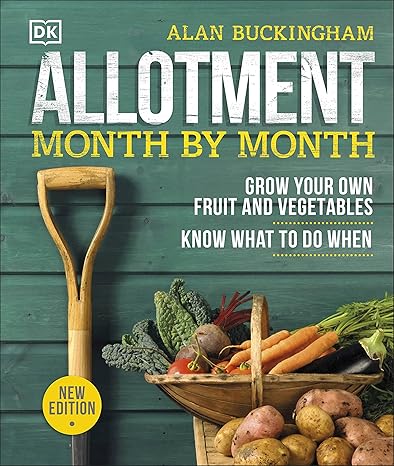
Are you starting an allotment or planning on growing your own fruit, vegetables, herbs, and flowers in a kitchen garden? If so we highly recommend the book Allotment Month By Month. This does exactly what it does on the cover to help you with what you should be doing in the allotment and kitchen garden each month. Below you can see the link for Amazon where you can purchase the book directly. This book is extremely popular with all allotment holders as you will read in the reviews:-
You can check out all the allotment and kitchen garden books we recommend here.
Why Cook Red Cabbage?
- Enhances Flavor: Cooking red cabbage softens its texture and brings out its natural sweetness.
- Versatile: Red cabbage works well as a side dish, salad base, or ingredient in main courses.
- Nutritious: Rich in vitamins C and K, antioxidants, and fiber.
Methods for Cooking Red Cabbage
1. Braising Red Cabbage
- Braising is the most popular way to cook red cabbage, creating a tender and flavorful dish.
Ingredients:
- 1 medium red cabbage, thinly sliced
- 1 onion, finely chopped
- 2 apples, peeled and diced
- 3 tablespoons brown sugar
- 3 tablespoons apple cider vinegar
- ½ cup red wine or vegetable stock
- 1 teaspoon ground cinnamon
- Salt and pepper to taste
Instructions:
- Heat a tablespoon of olive oil or butter in a large pot.
- Sauté the onion until soft, then add the cabbage and apples.
- Stir in the sugar, vinegar, and spices.
- Add the liquid (wine or stock), bring to a simmer, then cover and cook on low heat for 45-60 minutes, stirring occasionally.
- Adjust seasoning and serve warm.
2. Sautéing Red Cabbage
- Quick and easy, sautéing preserves the cabbage’s vibrant color and crunchy texture.
Instructions:
- Heat a tablespoon of oil or butter in a skillet over medium heat.
- Add thinly sliced red cabbage and sauté for 5-10 minutes, stirring occasionally.
- Season with salt, pepper, and a splash of vinegar or lemon juice for added tang.
3. Roasting Red Cabbage
- Roasting adds a caramelized sweetness and slightly crispy edges.
Instructions:
- Preheat your oven to 200°C (400°F).
- Cut the cabbage into wedges and place on a baking sheet.
- Drizzle with olive oil, season with salt and pepper, and roast for 20-25 minutes, flipping halfway through.
4. Steaming Red Cabbage
- Steaming is a healthy way to cook red cabbage while preserving its nutrients.
Instructions:
- Cut the cabbage into thin strips or wedges.
- Place in a steamer basket over boiling water.
- Cover and steam for 5-10 minutes, until tender but still vibrant in color.
5. Pickling Red Cabbage
- Pickling creates a tangy, crunchy addition to salads, sandwiches, and wraps.
Instructions:
- Thinly slice red cabbage and place it in a sterilized jar.
- Heat equal parts vinegar and water with sugar and salt until dissolved.
- Pour the brine over the cabbage, seal the jar, and refrigerate for at least 24 hours before serving.
Tips for Cooking Red Cabbage
1. Add Acidity
- A splash of vinegar, lemon juice, or orange juice helps retain the cabbage’s vibrant color during cooking.
2. Don’t Overcook
- Overcooking can make red cabbage mushy and dull in color.
3. Experiment with Flavors
- Add spices like cinnamon, cloves, nutmeg, or caraway seeds for a festive touch.
4. Balance Sweet and Tangy
- Combine sweet ingredients like apples or honey with tangy elements like vinegar for a balanced flavor.
Pairing Ideas for Red Cabbage
- Roast Meats: Perfect with pork, duck, beef, or chicken.
- Vegetarian Dishes: Pairs well with nut roasts, stuffed squash, or lentil loaf.
- Salads: Add cooked or pickled red cabbage to fresh salads for texture and color.
- Hearty Stews: A great accompaniment to rich, slow-cooked dishes.
Common Questions About Cooking Red Cabbage
1. Can I use red cabbage raw?
Yes, it’s delicious in coleslaws or salads.
2. How do I keep red cabbage from turning mushy?
Monitor the cooking time and avoid overcooking.
3. What’s the best way to retain the color of red cabbage?
Add a splash of vinegar or lemon juice during cooking.
4. Can I freeze cooked red cabbage?
Yes, it freezes well for up to 3 months in an airtight container.
5. How long does cooked red cabbage last in the fridge?
Store it in an airtight container for up to 5 days.
6. What spices pair well with red cabbage?
Cinnamon, cloves, nutmeg, ginger, and caraway seeds complement its flavor.
7. How do I make red cabbage sweeter?
Add more brown sugar, honey, or dried fruits like cranberries or raisins.
8. Can I cook red cabbage in a slow cooker?
Yes, combine all ingredients and cook on low for 4-6 hours.
9. How do I reheat cooked red cabbage?
Reheat gently on the stovetop or in the microwave, adding a splash of water if needed.
10. What can I substitute for vinegar in recipes?
Use lemon juice, orange juice, or red wine as a substitute.
Conclusion
Cooking red cabbage is simple and rewarding, whether you braise, sauté, roast, steam, or pickle it. This versatile vegetable adds flavor, color, and nutrition to any meal, making it a must-have for your recipe repertoire. Experiment with different methods and flavors to find your perfect preparation.
Gardening With Ben Podcasts
If you love podcasts and are passionate about gardening, why not tune in to Gardening with Ben’s Allotment Podcasts? Packed with tips, inspiration, and plenty of down-to-earth advice, Ben’s podcasts are perfect for anyone looking to get the most out of their garden or allotment.
Whether you’re a seasoned gardener or just starting out, Gardening with Ben covers a wide range of topics to keep you informed and motivated. From seasonal planting guides and pest control tips to creating a wildlife-friendly space, there’s something for everyone. Each episode is filled with Ben’s friendly, relatable charm, making it feel like you’re chatting with a gardening buddy.
Don’t miss out on the latest episode below, where Ben shares his insights on what to plant this month, how to prepare your soil, and creative ways to make the most of the colder seasons. It’s the perfect companion for your next cup of tea or a relaxing moment in your gardening shed.
You can also listen to Gardening with Ben’s podcasts on your favorite platforms, including Spotify, Apple Podcasts, and Amazon Music. Prefer hands-free? Simply ask Alexa, “Play Gardening with Ben,” and you’ll be ready to dig into the latest episode.
So, if you’re looking for gardening inspiration, practical advice, or just a bit of friendly encouragement to get your hands dirty, tune in to Gardening with Ben’s Allotment Podcasts. It’s your perfect gardening companion, wherever you are! ??